


What Is a QR Code Wristband?
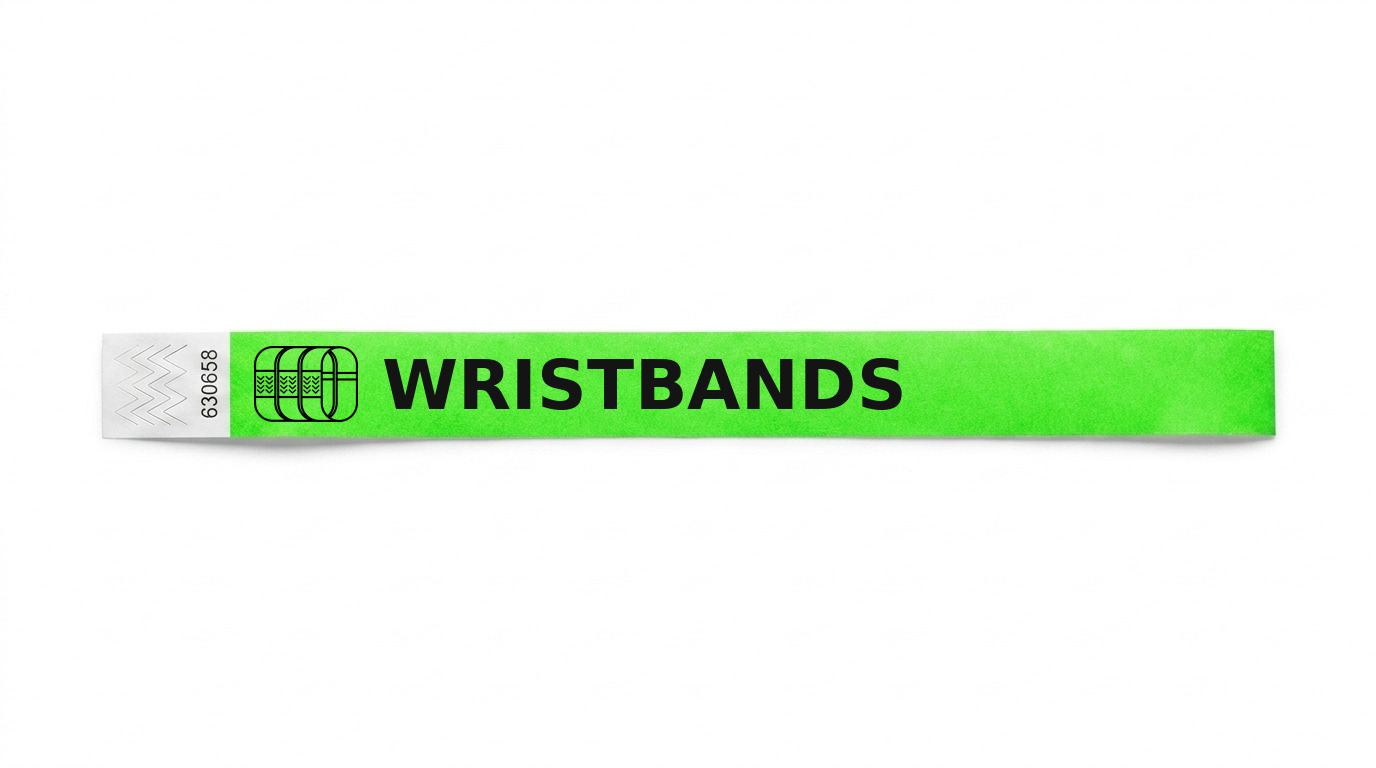
A QR code wristband is a wearable identification band — made from Tyvek, vinyl/PVC, or rigid plastic — onto which a Quick Response (QR) code has been printed as part of the design. The QR code is a two-dimensional barcode that encodes information in a grid of black-and-white squares. Unlike a traditional one-dimensional barcode that must be read in a single direction, a QR code can be scanned from any angle and stores significantly more data in a compact space.
In the context of event access control, the QR code typically encodes one of the following:
- A unique ticket or registration ID that links to a record in your ticketing database
- A URL pointing to a secure validation endpoint
- A sequential serial number that your scanner app cross-references against a whitelist
- Encoded plain text such as an attendee name and ticket tier
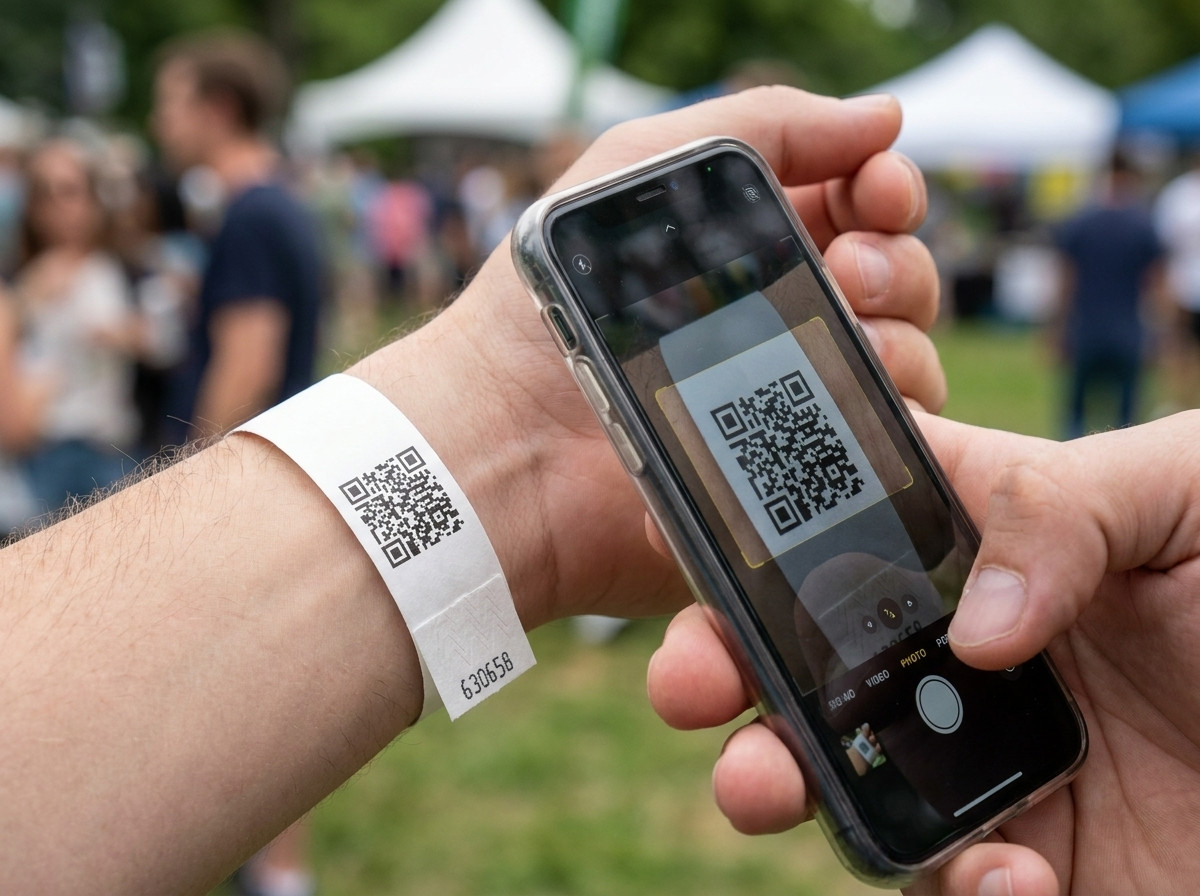
When a security operative or turnstile scanner reads the code, the system confirms in real time whether entry should be granted, whether the code has already been used, or whether it belongs to a restricted zone. The result appears visually — typically a green tick or red cross — so staff need no specialist training to act on it.
How Digital Access Control Works with Scanning Wristbands
Understanding the full workflow helps organisers choose the right setup and avoid common pitfalls. The process has three interconnected layers: the physical wristband, the code itself, and the scanning infrastructure.
Layer 1 — The Physical Wristband
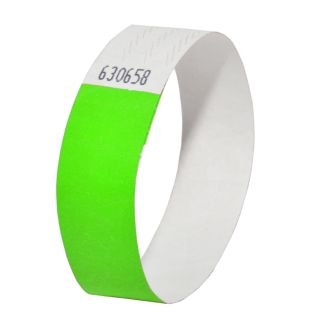
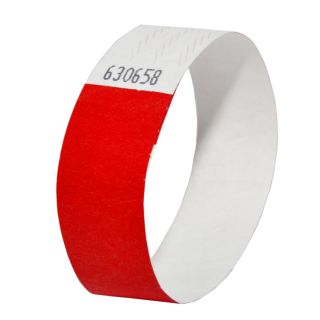
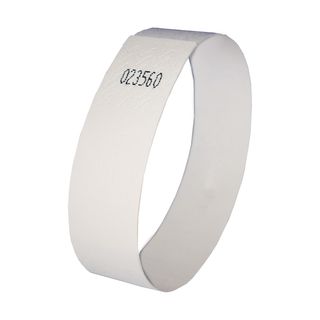
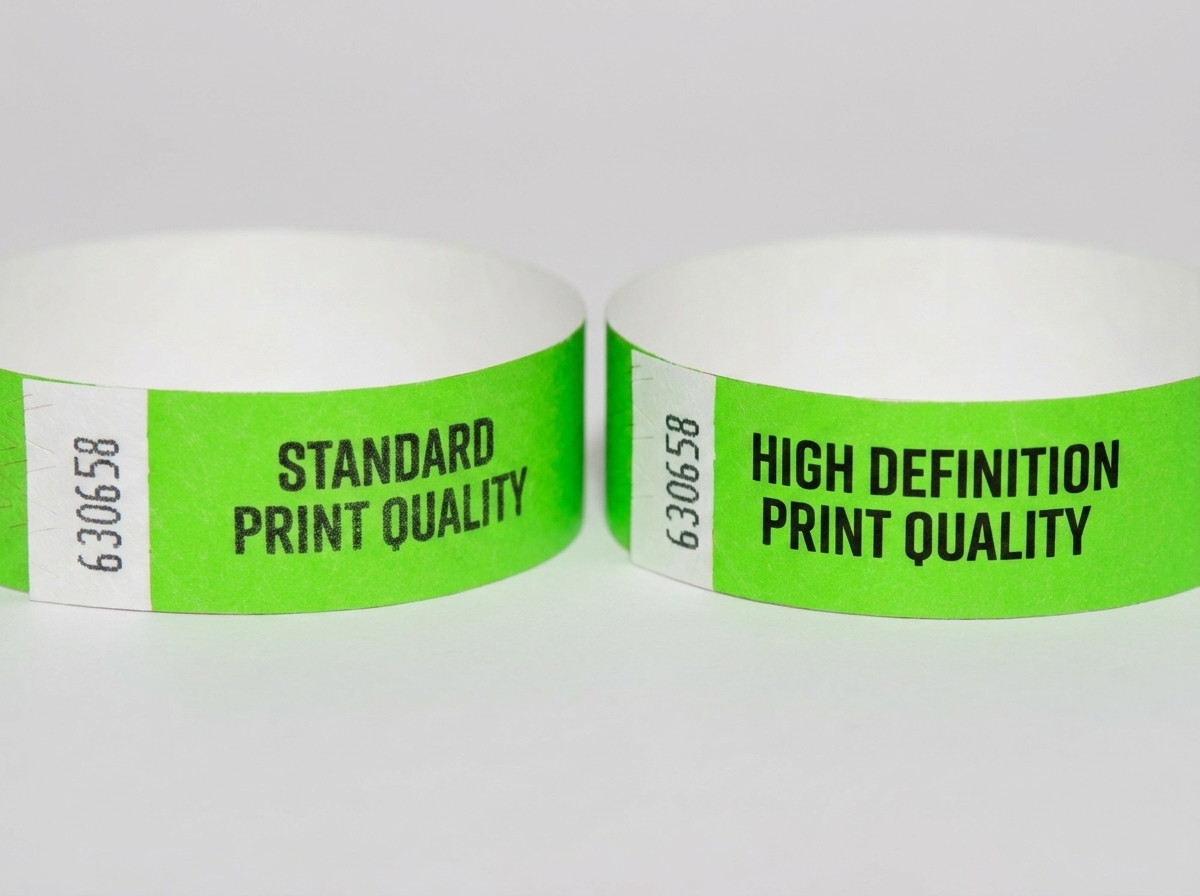
The wristband must be tamper-evident and comfortable enough to wear for hours. Tyvek wristbands are made from a tear-resistant, water-repellent synthetic material and are closed with a non-reversible adhesive tab — once applied they cannot be passed to another person without tearing. They are lightweight, cost-effective, and ideal for single-day or short-duration events. Vinyl (PVC) wristbands offer greater durability and resistance to water immersion, making them the right choice for multi-day festivals, aquatic parks, hotel pools, or any environment where the wristband must survive serious wear and tear. Both materials accept high-definition printing, which is critical for QR code legibility.
Layer 2 — The Printed QR Code
Print quality is non-negotiable. A blurry, low-contrast, or undersized QR code will cause scan failures, frustrated guests, and bottlenecks at entry gates. Our in-house print process produces sharp, high-contrast QR codes at a resolution that guarantees reliable scanning — even in poor lighting conditions common at evening events or nightclubs. Each code is generated with the correct quiet zone (the white border surrounding the code), which many budget print providers underestimate or eliminate entirely.
QR codes can also be combined with sequential numbering or traditional barcodes on the same wristband, giving you a fallback if a scanner app fails and staff must verify manually.
Layer 3 — The Scanning Infrastructure
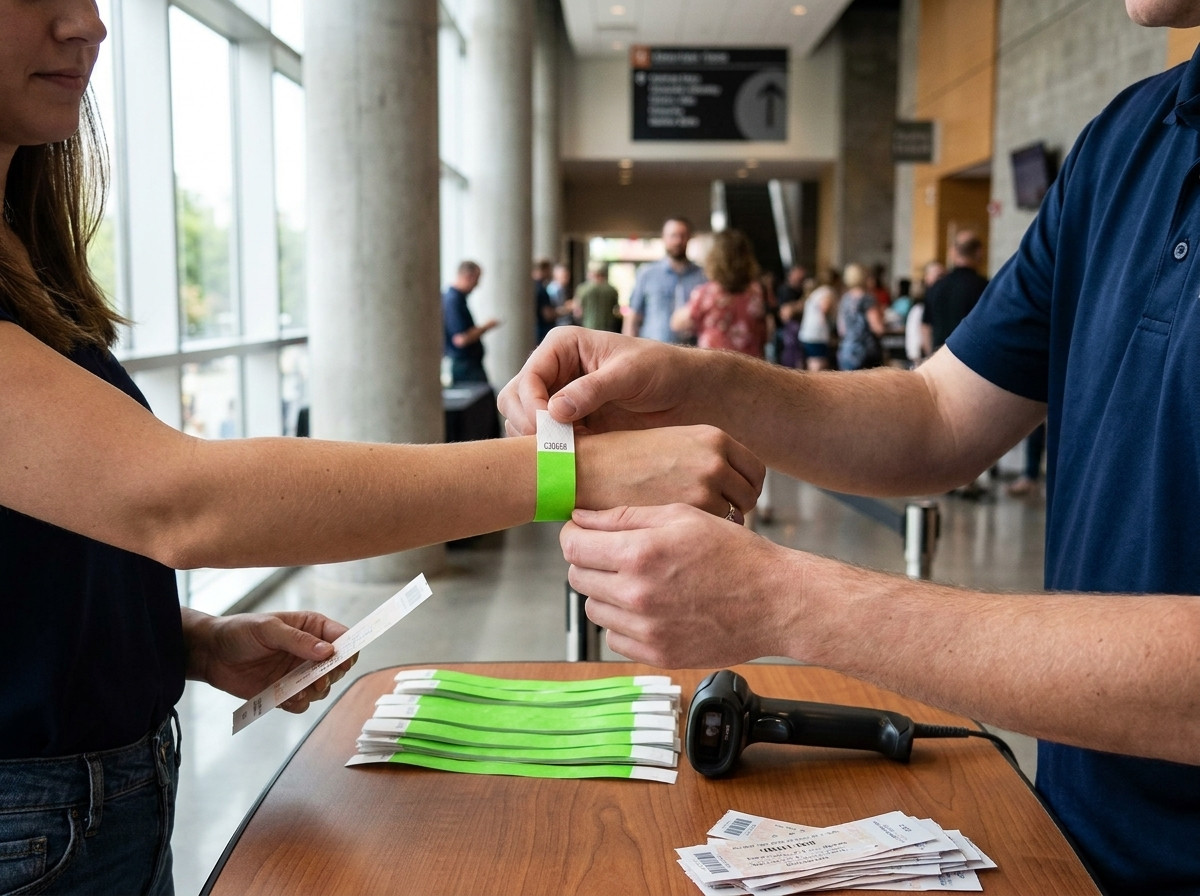
The scanning side is entirely your choice of software and hardware — our role is to ensure the wristband gives that software the cleanest possible signal. Popular setups include dedicated handheld barcode scanners, tablets with camera scanning apps, turnstile-integrated readers, and ordinary smartphones running a ticketing platform's companion app. Most modern event ticketing platforms — whether you use a proprietary system or an off-the-shelf solution — support QR code validation natively.
Key Benefits of QR Code Wristbands for Access Control
Switching from manual checks or paper tickets to scanning wristbands with QR codes delivers measurable improvements across several dimensions:
- Speed: A skilled operator can scan 400–600 wristbands per hour with a dedicated handheld scanner. Compared with manual ticket inspection, this often cuts entry time by 50% or more at peak arrival windows.
- Fraud prevention: Because each QR code is unique and validated against a central database, a duplicated screenshot of a ticket is flagged immediately as already used. Physical wristbands cannot be transferred without visible damage, adding a second anti-fraud layer.
- Zone management: Different wristband colours or designs can carry QR codes linked to different access tiers — VIP, general admission, backstage, press — allowing a single scanning workflow to handle complex multi-zone events.
- Real-time data: Every scan creates a timestamped record. Organisers gain live attendance counts, can identify congestion at specific gates, and produce post-event reports without manual counting.
- Offline resilience: Many scanner apps cache the validated ticket list locally. If the internet connection drops, scanning continues using the cached data and syncs when connectivity returns.
- Staff simplicity: Green means go, red means stop. No specialist knowledge required. New volunteers can be operational within minutes.
Choosing the Right Wristband Material for Your Event
The decision between Tyvek and vinyl comes down to event duration, environment, and the audience experience you want to deliver.
Tyvek — The Fast, Economical Choice
Tyvek is a high-density polyethylene fibre material that looks and feels like paper but resists tearing and moisture far better. It is the go-to material for day events, club nights, conferences, trade shows, sports fixtures, and any situation where the wristband will be worn for less than 24 hours. The surface takes ink beautifully, meaning QR codes come out sharp and scan reliably.
One of Tyvek's defining advantages in urgent situations is production speed. We print Tyvek wristbands the same day an order is placed, which has saved countless events where the organiser miscalculated lead times or a previous supplier failed to deliver. There is no rush surcharge — same-day production is simply how we operate.
Vinyl (PVC) — Durability for Extended Wear
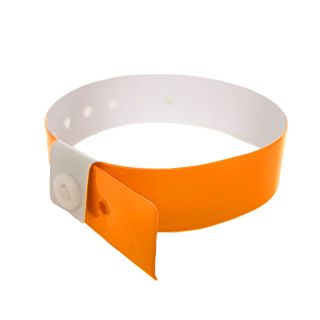
Vinyl wristbands are thicker, more comfortable against skin over long periods, and waterproof enough for swimming pools, beach events, and multi-day outdoor festivals. The snap-lock or adjustable closure mechanism ensures a secure fit without the adhesive tab of Tyvek, making them suitable for wristbands that guests will wear for two, three, or even five days. The anti-transfer closure design prevents removal and re-application, maintaining the integrity of your access control system throughout the event.
When your QR codes are linked to cashless payment systems or multi-day zone permissions, the greater durability of vinyl is worth the incremental cost per unit.
Matching Material to Use Case — Quick Reference
- Single-day festival or concert: Tyvek — fast production, cost-effective, tamper-evident
- Multi-day outdoor festival: Vinyl/PVC — weatherproof, comfortable for extended wear
- Conference or trade show: Tyvek — professional print quality, same-day availability
- Hotel pool or water park: Vinyl/PVC — fully waterproof, durable closure
- Nightclub or bar: Tyvek — quick to apply, immediate tamper evidence
- VIP hospitality with extended access: Vinyl/PVC — premium feel, multi-day integrity
Design, Ordering, and What to Expect
Many organisers worry that adding a QR code to a custom wristband design will require technical expertise or specialist software. In practice, the process is straightforward — particularly when your supplier offers a full design service.
Free Artwork Creation
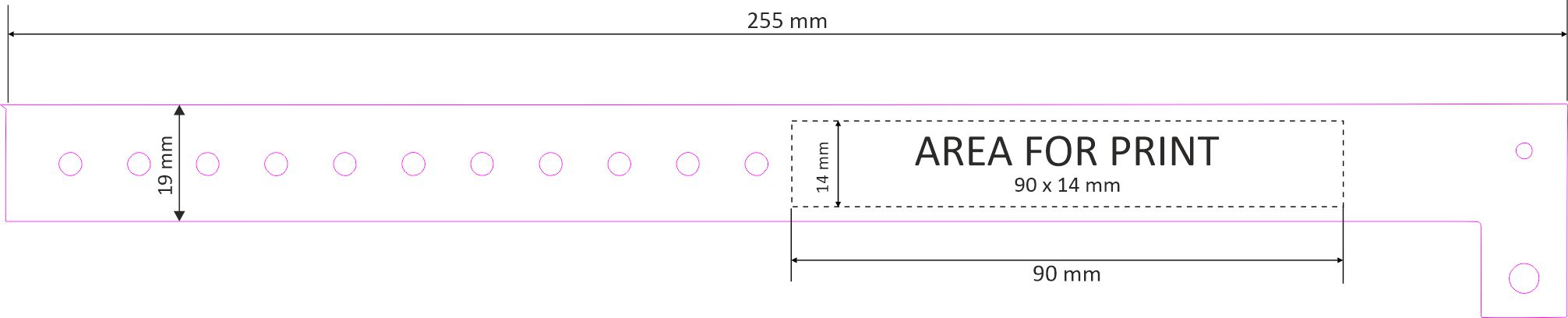
When you order from us, you do not need to submit a print-ready file. Simply tell us what you want: your event name, the colour scheme, your logo, any sponsor branding, and whether the QR code should be unique per wristband (variable data printing) or a single shared code for all wristbands. Our design team creates the professional artwork and prepares it for the press. There is no charge for this service — it is included as standard. If you do have your own artwork and technical files, we work with those too.
Variable Data Printing — Unique Codes per Wristband
If your access control system requires each wristband to carry a distinct QR code tied to a specific ticket record, we handle variable data printing on both Tyvek and vinyl. You supply the list of codes (or we generate sequential codes to your specification), and each wristband comes out of the press with its unique identifier. The codes can also be paired with a sequential number printed in human-readable digits — useful as a manual fallback.
Production and Delivery Timeline
Tyvek wristbands can be printed the same day your order is confirmed. Vinyl wristbands have a slightly longer production window given the material's thickness and the curing process, but express production is still available. Once production is complete, orders are dispatched via DHL Express or FedEx Express, ensuring rapid transit to virtually any destination. We have a track record of rescuing events — situations where an organiser contacted us days or even hours before an event, having been let down by another printer, and still received their wristbands on time. No rush surcharge applies in these situations; express is simply our standard.
Practical Tips for Deploying QR Code Wristbands
- Test your scanner before the event: Print a small sample batch and verify that your chosen scanning app reads them reliably in the lighting conditions of your venue.
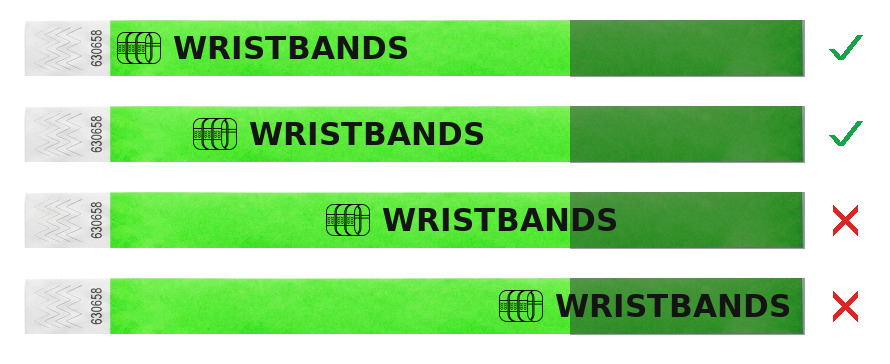
- Keep the quiet zone intact: Ensure your design does not encroach on the white border around the QR code. We handle this in the artwork stage, but it is worth confirming if you supply your own file.
- Use colour contrast wisely: A black QR code on a white or light-coloured panel scans fastest. Avoid placing the code on dark or patterned backgrounds.
- Plan your scanning positions: Position staff so the wrist is naturally presented for scanning — at waist height, well-lit, with enough room for the scanner to operate without the queue backing up.
- Have a manual fallback: Even in a well-organised system, a scanner battery will die or an app will freeze. Equip at least one staff member per gate with a printed guest list or the ability to verify by sequential number.
Pros and Cons of QR Code Wristbands
No technology is perfect for every scenario. Here is an honest assessment to help you decide whether QR code wristbands are the right solution for your event.
Advantages
- Near-instant verification — sub-second scan times reduce queue length dramatically
- High security — unique codes prevent duplication; physical wristbands prevent sharing
- Flexible data linking — one code can unlock attendance tracking, zone permissions, and reporting simultaneously
- Works with existing infrastructure — most event ticketing platforms already support QR validation
- Scalable — from 50 to 50,000 attendees without changing the workflow
- Cost-effective — especially on Tyvek, the per-unit cost is low relative to the operational efficiency gained
Limitations and How to Address Them
- Requires scanning hardware: You need smartphones, tablets, or dedicated scanners. For very small events, a barcode on a simple wristband may be sufficient if you have no scanning infrastructure at all.
- Print quality is critical: A poorly printed code will not scan. Ordering from an in-house manufacturer with professional press equipment — rather than a desktop inkjet — eliminates this risk.
- Internet dependency (partially): Real-time validation needs connectivity. Mitigate this by pre-loading the guest list onto scanning devices for offline operation.
- Code damage: A torn or wet QR code may fail to scan. Vinyl wristbands resist this; for Tyvek, ensure codes are positioned away from the closure point where the most stress occurs.