


Understanding the Two Materials: Tyvek vs Vinyl (PVC)
Before comparing them head-to-head, it helps to understand what each material actually is and why it behaves the way it does.
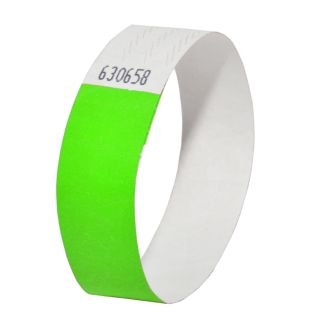
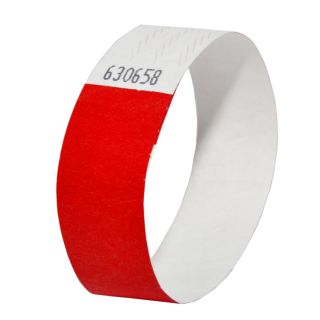
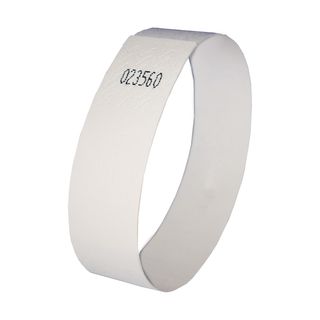
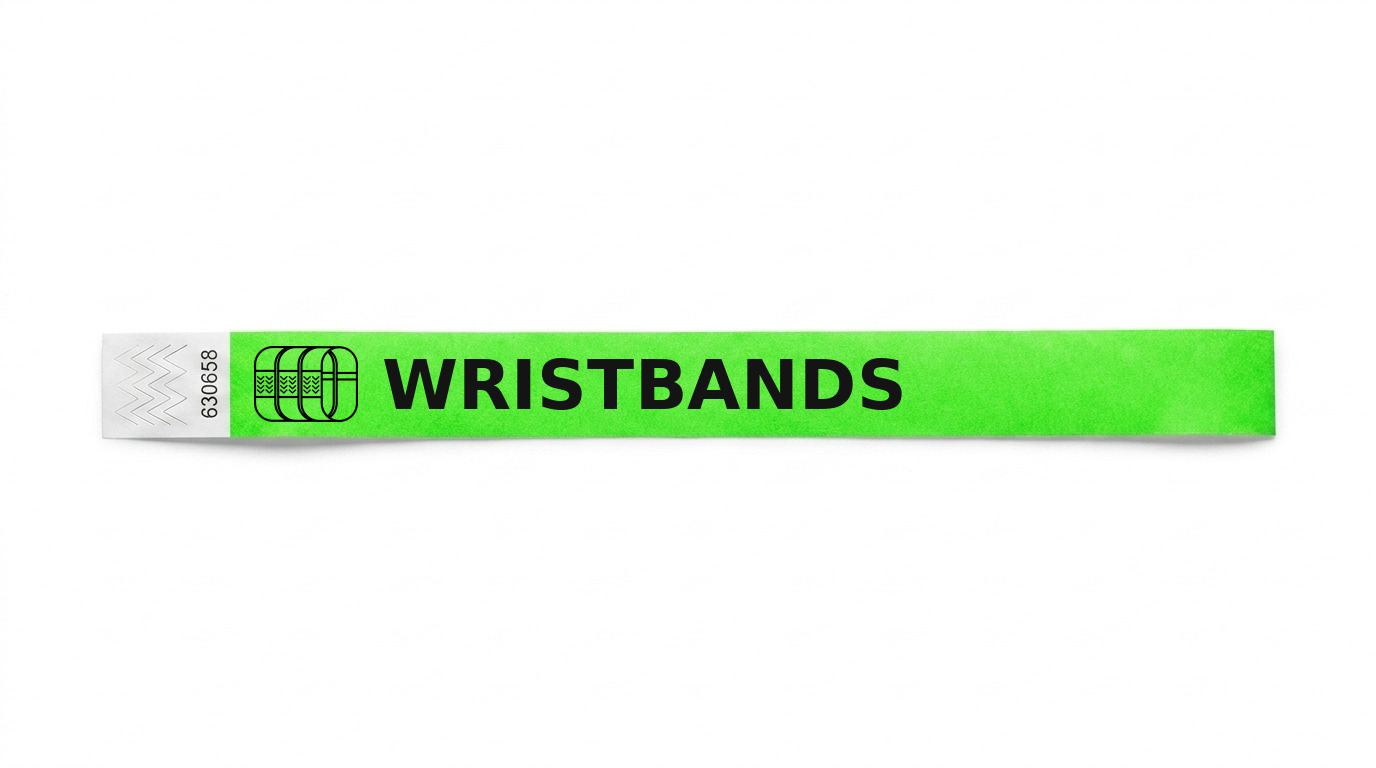
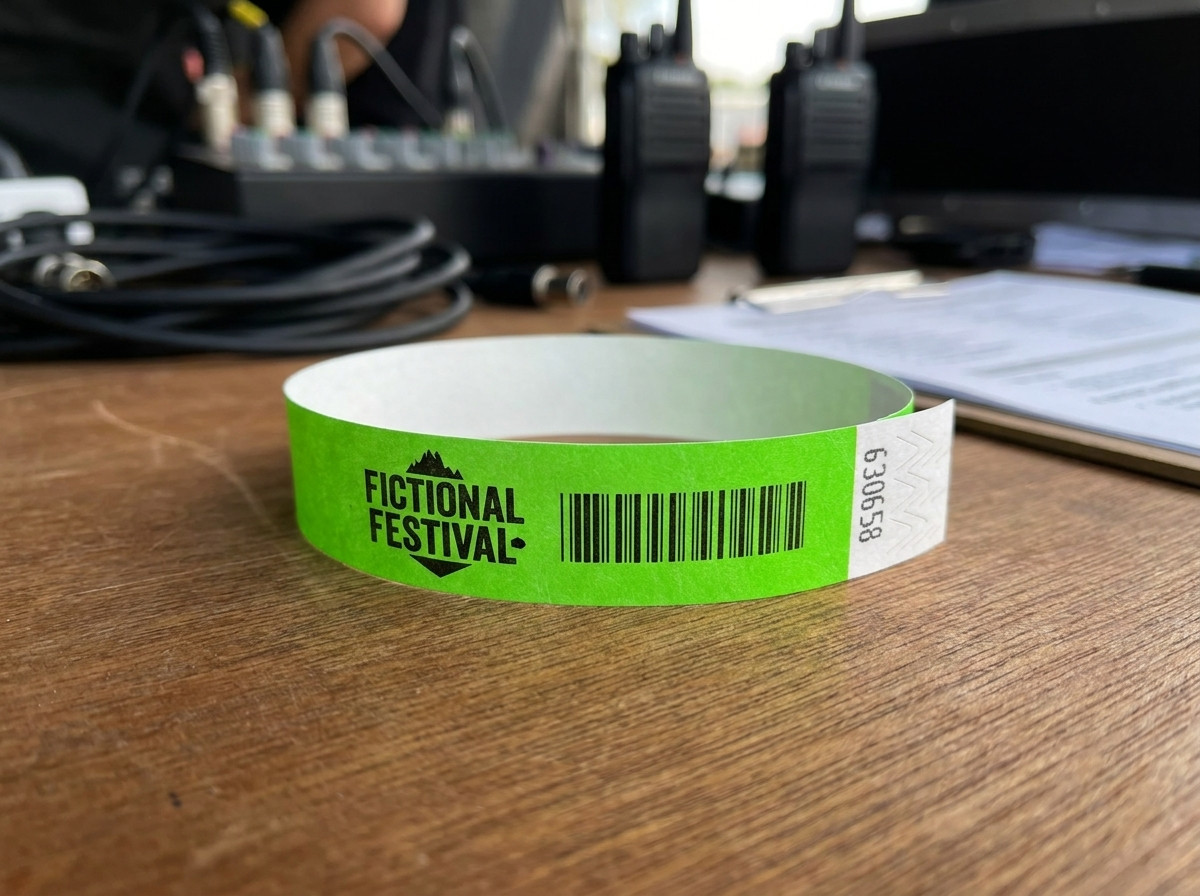
Tyvek is a registered DuPont material made by spinning and bonding high-density polyethylene (HDPE) fibres under heat and pressure, with no binders or fillers. The result looks and feels like heavyweight paper, but it is fundamentally a synthetic polymer product. It is tear-resistant, water-resistant, and lightweight. In the wristband industry, Tyvek is the dominant material for short-duration events — typically one to three days — precisely because it balances low cost with surprisingly robust performance.
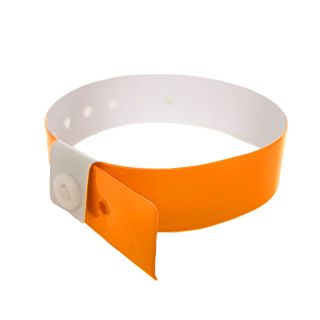
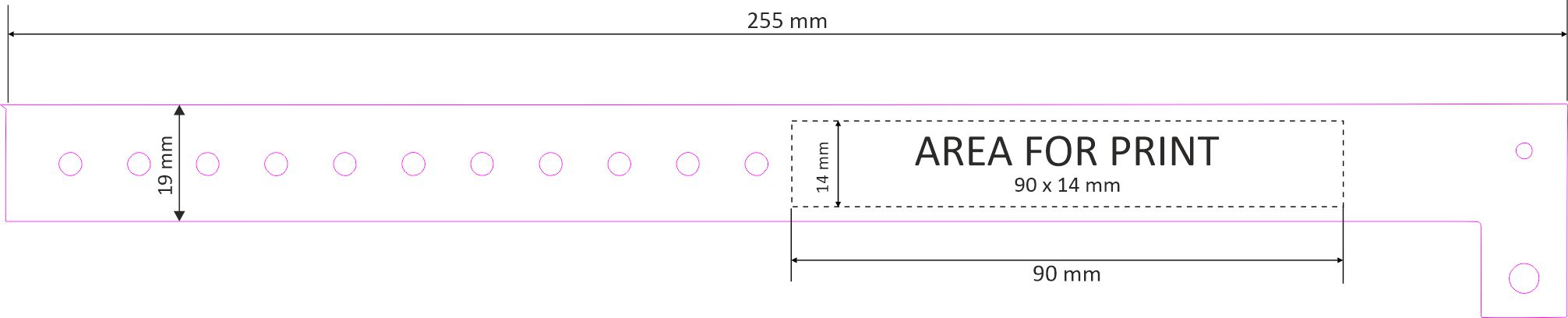
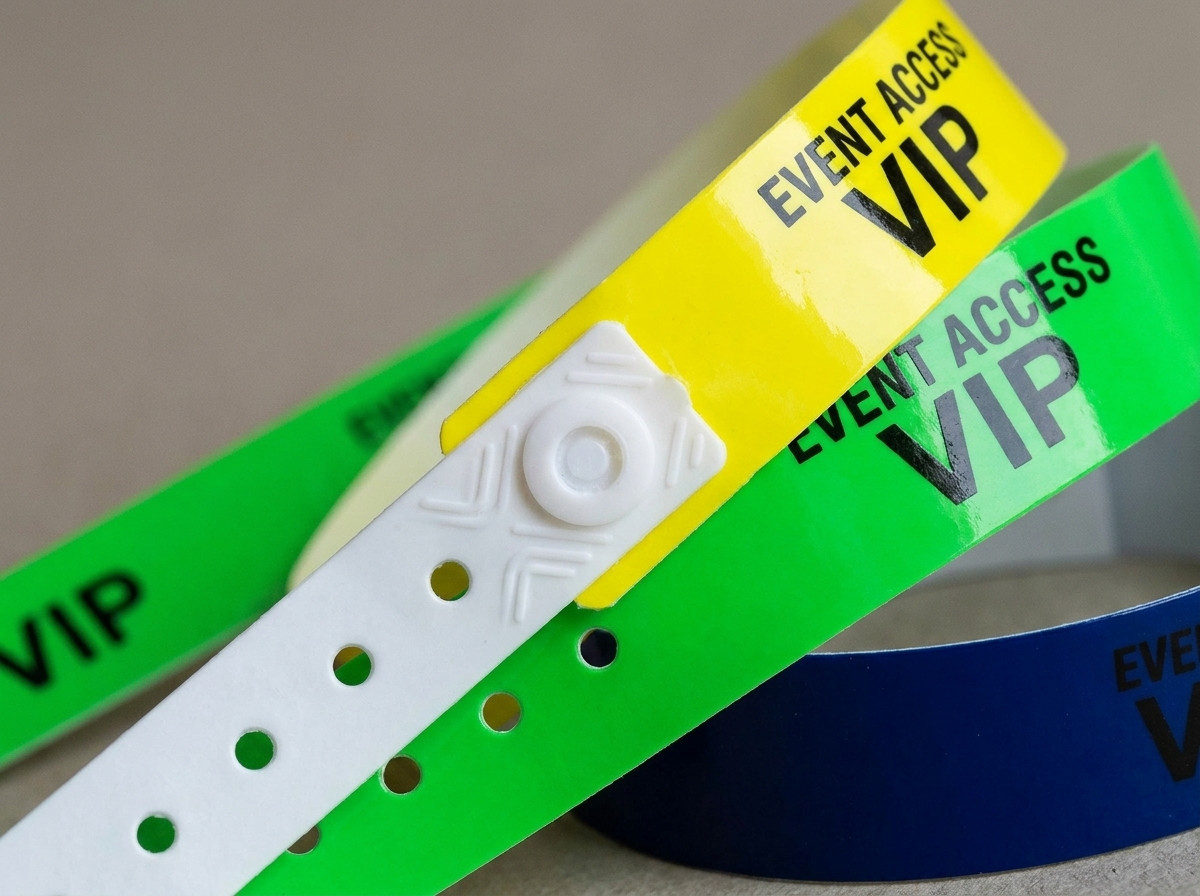
Vinyl (PVC) is a soft, flexible plastic strip, typically between 19 mm and 25 mm wide and up to 260 mm long, closed with a non-resealable snap or anti-transfer clasp. Vinyl wristbands are the standard choice for events that last several days or longer, or any environment where prolonged exposure to water, sweat, or physical activity is expected. Hotel resorts, multi-day music festivals, water parks, and sports events are classic vinyl territory.
Both materials can be printed with full-colour artwork, sequential numbering, barcodes, and QR codes — the identification technologies that make wristbands genuinely useful for access control, cashless systems, and attendee tracking.
Durability and Water Resistance: The Core Difference
This is where the two materials diverge most dramatically, and it is the first question every event organiser should ask: How long does the wristband need to survive, and in what conditions?
Tyvek durability
Tyvek wristbands are water-resistant — not waterproof. Brief rain exposure, splashed drinks, or a sweaty wrist at a summer event will not destroy a Tyvek band. However, prolonged immersion in water (swimming pools, heavy rain over hours), repeated wetting and drying cycles, or aggressive physical activity will degrade the band over time. The adhesive closure is particularly vulnerable to extended moisture. For a single day or an overnight event, Tyvek performs reliably. Beyond 48 to 72 hours of continuous wear, especially in outdoor or aquatic settings, you may see fraying and closure failure.
Vinyl (PVC) durability
Vinyl wristbands are genuinely waterproof. They can be submerged, worn in swimming pools, endure torrential festival rain, and survive five to seven days of continuous wear without degrading. The snap closure on a quality vinyl wristband — particularly one with an anti-transfer or anti-return mechanism — cannot be undone without visible damage, which makes it equally durable as a security device. If your event runs for more than one day, or involves any aquatic element, vinyl is the only rational choice.
Rule of thumb: One day = Tyvek. Multiple days or water exposure = vinyl.
Print Quality, Customisation, and Identification Technology
Both Tyvek and vinyl support full-colour custom printing, but the print character differs, and it matters for brand presentation and access-control functionality.
Printing on Tyvek
Tyvek's smooth, matte surface accepts high-definition inkjet printing exceptionally well. Logos, sponsor artwork, event schedules, and decorative patterns reproduce with sharp edges and vivid colour. Because Tyvek can be printed on rolls in a single continuous pass, it is also uniquely suited to same-day production. An order placed in the morning can be printed, cut, and ready for shipping the same day — a capability that makes Tyvek the go-to material when an organiser discovers at the last minute that no wristbands have been ordered.
Sequential numbering, barcodes, and QR codes print cleanly on Tyvek, enabling real-time scanning at entry gates. The print is not completely waterproof, so extended soaking can cause ink bleed — but for the intended use case (one-day events), this is irrelevant.
Printing on vinyl
Vinyl wristbands are typically printed using techniques suited to the smooth PVC surface, delivering vibrant, durable colour that holds up through days of wear, washing, and sun exposure. The printed surface on a quality vinyl band will remain legible and attractive for the entire duration of a week-long event. Barcodes and QR codes on vinyl maintain scan reliability even after exposure to water and friction — critical for systems where the wristband doubles as an entry credential or cashless payment identifier.
Custom artwork, sequential numbering, and dual-sided printing are all achievable on vinyl, giving organisers the same degree of creative freedom they would expect from Tyvek, but with long-lasting ink adhesion.
Security, Tamper-Evidence, and Access Control
Wristband security is not just about keeping gatecrashers out — it is about maintaining fair access to premium zones, preventing ticket fraud, and giving your staff clear, instant visual identification at a glance.
Tyvek security features
Tyvek wristbands use a self-adhesive closure. The material itself is difficult to tear by hand (it is, famously, very hard to rip cleanly), which makes it resistant to casual removal attempts. However, a determined person with scissors can remove and reapply a Tyvek band if the adhesive closure allows. For this reason, Tyvek is considered a medium-security material — suitable for events where the main concern is visual identification rather than sophisticated fraud prevention.
Adding sequential numbering, printed security patterns, or a unique QR code per wristband significantly raises the security level even on Tyvek, because each band becomes individually traceable rather than generically reusable.
Vinyl security features
The defining security feature of vinyl wristbands is the anti-transfer snap closure. Once snapped, these closures cannot be opened without cutting the band — and once cut, the band cannot be reassembled. There is no plausible scenario in which a vinyl wristband can be passed from one person to another without obvious physical evidence of tampering. This makes vinyl the standard for multi-day events, VIP access, hotel room key systems, and any environment where the wristband is a credential that must remain unbroken throughout a stay or event.
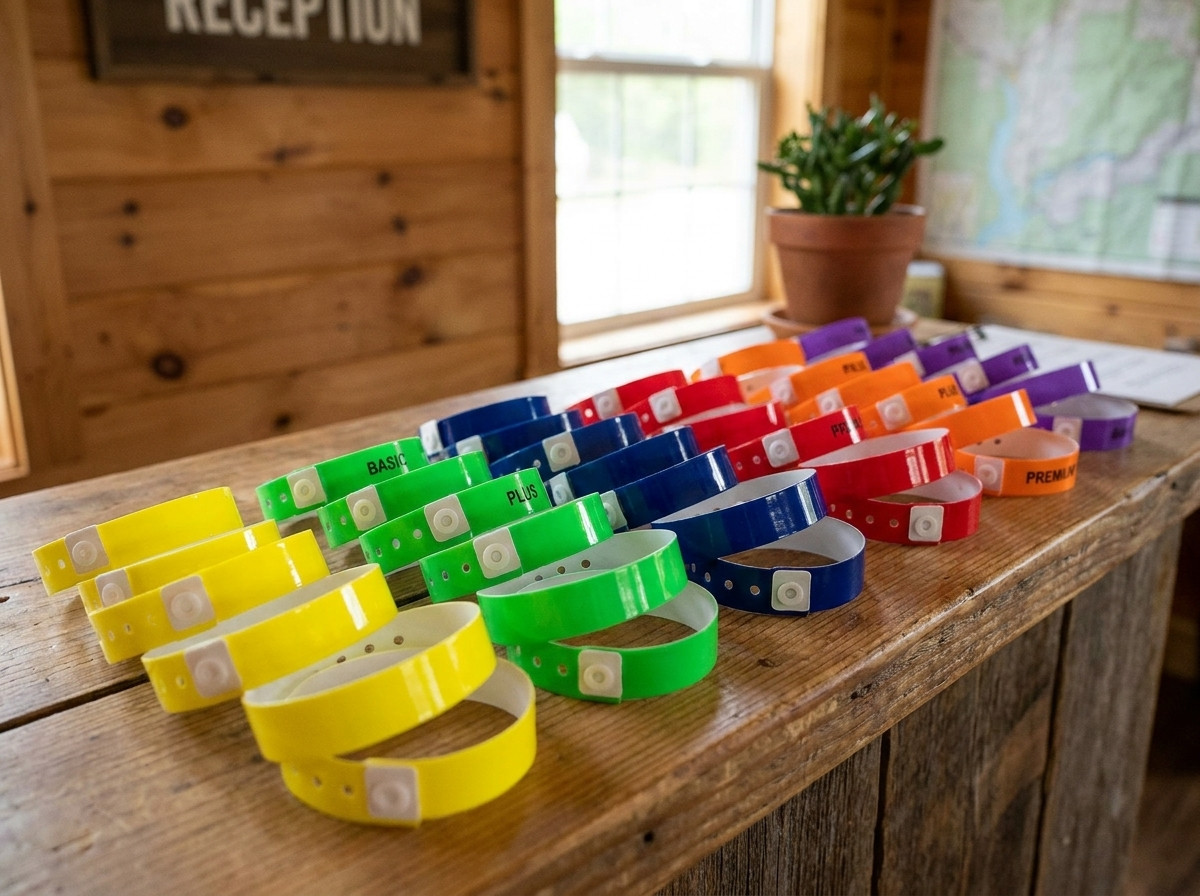
Colour coding across access tiers (general admission, VIP, backstage, staff) is standard practice with vinyl, allowing security personnel to validate access rights at a glance without scanning equipment — a useful redundancy at busy entry points.
Comfort, Aesthetics, and Attendee Experience
Wristbands are worn against skin, often for hours or days. Comfort is not a secondary concern — a wristband that irritates, scratches, or looks cheap reflects poorly on the event brand.
Tyvek comfort
Tyvek is lightweight — almost weightless — and its smooth-edged cut means it sits flat against the wrist without digging in. For a single day, most wearers do not notice it at all. The material is breathable in the sense that it does not trap heat against the skin. Where Tyvek can fall short aesthetically is its association with budget or disposable events — though high-quality full-colour printing can elevate its appearance significantly.
Vinyl comfort
Soft vinyl (PVC) wristbands feel more substantial — similar to a standard wristwatch strap in softness. For events where attendees wear the band continuously for three to seven days, the tactile quality of vinyl matters. A well-made vinyl band with smooth edges and a correctly sized snap closure causes minimal irritation even over extended wear. The material is also non-absorbent, so it does not accumulate sweat in the way that fabric alternatives might (and unlike fabric, it can be rinsed clean).
From a brand-presentation standpoint, a full-colour printed vinyl wristband reads as premium — exactly what hotel resorts, exclusive festivals, and corporate hospitality events want to project to their guests.
Production Speed, Logistics, and Last-Minute Orders
In the real world of event production, things go wrong. Suppliers miss deadlines. Organisers realise three days before the event that the wristband order was never placed. A co-organiser assumed someone else was handling it. These situations are more common than the industry admits — and they are exactly where material choice intersects with production capability in ways that matter enormously.
Why Tyvek wins on speed
Because Tyvek is printed on continuous rolls using high-speed digital presses, it is possible to print, cut, and prepare a complete order of Tyvek wristbands in a single working day. An order placed early in the morning can be printed the same day — no rush surcharge, no premium charged for urgency. This is not a special service offered only under exceptional circumstances; it is simply how Tyvek production works when the press is properly configured and the workflow is optimised for speed.
Pair same-day production with express courier delivery via DHL Express or FedEx Express, and a Tyvek wristband order placed today can be physically in an organiser's hands tomorrow morning — even across international borders. This capability has saved events that were, on paper, already beyond rescue.
Vinyl production timelines
Vinyl wristbands require a slightly longer production cycle than Tyvek, because the printing and finishing process for PVC strips differs from roll-fed digital Tyvek printing. That said, express production is still achievable, and for events with even 48 to 72 hours of lead time, vinyl orders can be fulfilled and dispatched via express courier in time to arrive before the event opens.
The key is working with a manufacturer — not a reseller — who controls the entire production process in-house. When design, printing, and finishing all happen under one roof, there are no interdependencies with third-party suppliers to cause delays. Free graphic design support also eliminates one of the most common bottlenecks: the back-and-forth between an organiser without design tools and a supplier who requires print-ready artwork. When the manufacturer creates the artwork for you at no charge, the timeline from first contact to production approval collapses from days to hours.
Environmental Considerations
Sustainability is an increasingly important criterion for event organisers, particularly in the festival and corporate sectors where environmental commitments are public and scrutinised.
Tyvek is made from HDPE — a petroleum-derived polymer — but it is recyclable within the polyethylene recycling stream. It contains no coatings, binders, or laminates, which simplifies end-of-life processing. Its very low weight also means the carbon footprint per unit during transport is minimal.
Vinyl (PVC) is a more complex material from a recycling standpoint. PVC recycling exists but is less universally available than HDPE recycling, and plasticisers in soft PVC complicate the process. For event organisers with formal sustainability commitments, this is worth noting — though the durability of vinyl (fewer wristbands needed per person, due to zero reissues) partially offsets the end-of-life disadvantage.
If environmental impact is a primary concern, Tyvek is the more straightforward choice — particularly for single-use, one-day event contexts where the wristband is genuinely single-use by design.
Decision Framework: Choosing the Right Material
Use the following framework to make your final decision:
- One-day event, indoor or dry outdoor: Tyvek is the ideal choice. Fast production, low cost, high-quality print, adequate security for the duration.
- One-day event with heavy rain, swimming, or water exposure: Consider vinyl for weather resilience, even for a single day.
- Multi-day festival (2–7 days): Vinyl (PVC) is the only material that reliably survives the full duration while maintaining closure security.
- Hotel resort or spa with pool access: Vinyl, always. The waterproof anti-transfer closure is non-negotiable in aquatic environments.
- Conference or trade show (1–2 days, indoor): Tyvek provides everything you need — clear printing for name or access tier, fast production, comfortable lightweight wear.
- VIP or tiered-access event where fraud prevention matters: Vinyl with anti-transfer snap closure and per-unit QR codes for maximum security.
- Last-minute order with 24-hour delivery required: Tyvek, due to same-day production capability combined with express courier dispatch.
In every case, working directly with a manufacturer who offers free design support, same-day Tyvek production, and express shipping removes the logistical risk that makes wristband ordering stressful. The material decision becomes straightforward when you know production and delivery are in reliable hands.